
"international coffee buyers"
1000 article(s) found

Introduction to the flavor and taste of Kenyan coffee Ethiopia in the central mountain region of Nyeri
Kenyan Coffee-current situation Kenyan coffee beans the Kenyan government takes the coffee industry very seriously, where it is illegal to cut down or destroy coffee trees. Kenyan coffee buyers are world-class high-quality coffee buyers, and no other country can grow, produce and sell coffee on a continuous basis like Kenya. All coffee beans are first made by the Kenya Coffee Commission (CoffeeBo)

Is Pu'er coffee 100% Arabica coffee beans? 500 million orders for Pu'er Coffee Expo
Professional coffee knowledge exchange more coffee bean information Please follow the coffee workshop (Wechat official account cafe_style) when Pu'er, a tea city in Yunnan Province on the mainland, met the Western Nestle Coffee, the two actually hit it off. Pu'er has been one of the world-famous coffee producers for 30 years. As of last year, the planting area of Pu'er coffee reached 789000 mu, with a total output of 58600 tons of coffee beans.

Kenya bourbon coffee tree cultivation environment Nyeri Central Mountain region
It entered Kenya in the 19th century, when Ethiopian coffee drinks were imported to Kenya via South Yemen. But it wasn't until the early 20th century that bourbon coffee trees were grown by St. Austin Mission introduced. Kenya coffee is mostly grown at altitudes of 1500- 2100 meters and harvested twice a year. To ensure that only ripe berries are picked, people must be in the forest.
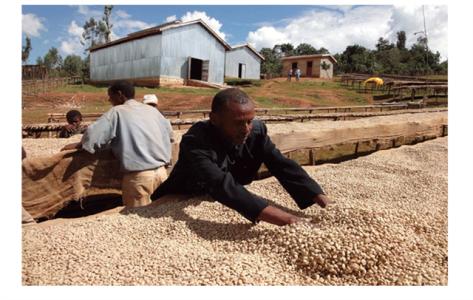
The flavor of Kenya's Kam Chu Valley coffee beans with strong fruit acids Description
Kenyan Coffee Bean The Kenyan government takes the coffee industry extremely seriously, and it is illegal to cut down or ring coffee trees here. Kenya's coffee buyers are world-class buyers of premium coffee, and no country grows, produces and sells coffee as consistently as Kenya. All coffee beans

Certificate of boutique coffee 4C coffee certification
C certification is a widely accepted management rule in the world, which involves the sustainable development of coffee cultivation, production, processing and other aspects of the supply chain, including social, environmental and economic principles. Coffee practitioners are required to protect biodiversity, protect all kinds of national endangered animals and plants, correctly use and handle pesticides and other chemicals, and protect the natural environment and people.
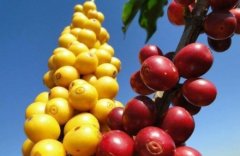
Boutique coffee bean knowledge 4C coffee certification
4C certification is a widely accepted management rule in the world, which involves the sustainable development of coffee cultivation, production, processing and other aspects of the supply chain, including social, environmental and economic principles. Coffee practitioners are required to protect biodiversity, protect all kinds of national endangered animals and plants, correctly use and handle pesticides and other chemicals, protect the natural environment and
Basic knowledge of boutique coffee 4C Coffee Certification
4C certification is a widely accepted management rule in the world, which involves the sustainable development of coffee cultivation, production, processing and other aspects of the supply chain, including social, environmental and economic principles. Coffee practitioners are required to protect biodiversity, protect all kinds of national endangered animals and plants, correctly use and handle pesticides and other chemicals, protect the natural environment and

Introduction to the characteristics of roasting degree and grindness of Kenyan Jinchu Coffee varieties
Kenyan coffee is mostly grown at an altitude of 1500m, 2100m, and is harvested twice a year. To ensure that only ripe berries are picked, people must tour the forest about seven times. Kenyan coffee is grown by small farmers. After they harvest the coffee, they first send the fresh coffee beans to the cooperative cleaning station, where the washed and dried coffee is covered with parchment beans.

Boutique coffee bean certification body 4C Association coffee certification
4C certification is a widely accepted management rule in the world, which involves the sustainable development of coffee cultivation, production, processing and other aspects of the supply chain, including social, environmental and economic principles. Coffee practitioners are required to protect biodiversity, protect all kinds of national endangered animals and plants, correctly use and handle pesticides and other chemicals, protect the natural environment and
4C Coffee Certification, the certification body of boutique coffee beans
4C certification is a widely accepted management rule in the world, which involves the sustainable development of coffee cultivation, production, processing and other aspects of the supply chain, including social, environmental and economic principles. Coffee practitioners are required to protect biodiversity, protect all kinds of national endangered animals and plants, correctly use and handle pesticides and other chemicals, protect the natural environment and

Coffee flavor and taste characteristics of Jinchu Coffee in Kenya
It entered Kenya in the 19th century, when Ethiopian coffee drinks were imported into Kenya through southern Yemen. But it was not until the early 20th century that the bourbon was introduced by the St. Austen Mission (St.AustinMission). Kenyan coffee is mostly grown at an altitude of 1500m, 2100m, and is harvested twice a year. To ensure that only ripe berries are picked, people must be in the forest

Kenyan Jinchu Coffee Origin, Kenyan Jinchu Coffee Variety
Follow caf é (Wechat official account vdailycom) found that Jinchu Cafe opened a small shop of its own, founded in 1970, and they formed a Gakundu farmers' cooperative with Kamviu, Gakundu and Ka Kui Water washing Plant. There are 980 coffee farmers in Jinchu Valley and 3600 small farmers are registered in the whole cooperative. And in Enbu County, nearly
Introduction to the certification body of fine coffee beans 4C coffee certification
4C certification is currently widely accepted in the world, involving coffee cultivation, production, processing and other aspects of the supply chain sustainable development management rules, including social, environmental and economic principles. Coffee growers are required to protect biodiversity, protect various nationally endangered plants and animals, properly use and handle pesticides and other chemicals, protect the natural environment and

Kenyan coffee unique taste Kenyan coffee flavor
Rare good coffee-famous for its rich aroma and balanced acidity. People in the coffee industry all think that Kenyan coffee is one of its favorite products, because Kenyan coffee contains every feeling we want from a good cup of coffee. It has wonderful and satisfying aromas, well-balanced acidity, well-proportioned particles and excellent fruit flavors. Coffee
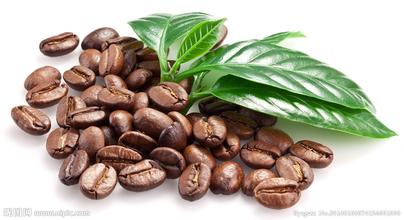
Introduction of Kenyan Coffee Bean species Kenya Coffee Farm
Kenyan coffee is mostly grown at an altitude of 1500m, 2100m, and is harvested twice a year. To ensure that only ripe berries are picked, people must tour the forest about seven times. Kenyan coffee is grown by small farmers. After they harvest the coffee, they first send the fresh coffee beans to the cooperative cleaning station, where the washed and dried coffee is covered with parchment beans.

Characteristics of Kenyan coffee beans Origin of Kenyan coffee beans
Kenyan coffee is mostly grown at an altitude of 1500 to 2100 meters and is harvested twice a year. To ensure that only ripe berries are picked, people must tour the forest about seven times. Kenyan coffee is grown by small farmers. After they harvest the coffee, they first send the fresh coffee beans to the cooperative cleaning station, where the washed and dried coffee is covered with parchment beans.

Kenyan coffee flavor and taste Kenyan boutique coffee beans Kenyan coffee producing area boutique coffee
Kenyan coffee is mostly grown at an altitude of 1500m, 2100m, and is harvested twice a year. To ensure that only ripe berries are picked, people must tour the forest about seven times. Kenyan coffee is grown by small farmers. After they harvest the coffee, they first send the fresh coffee beans to the cooperative cleaning station, where the washed and dried coffee is covered with parchment beans.
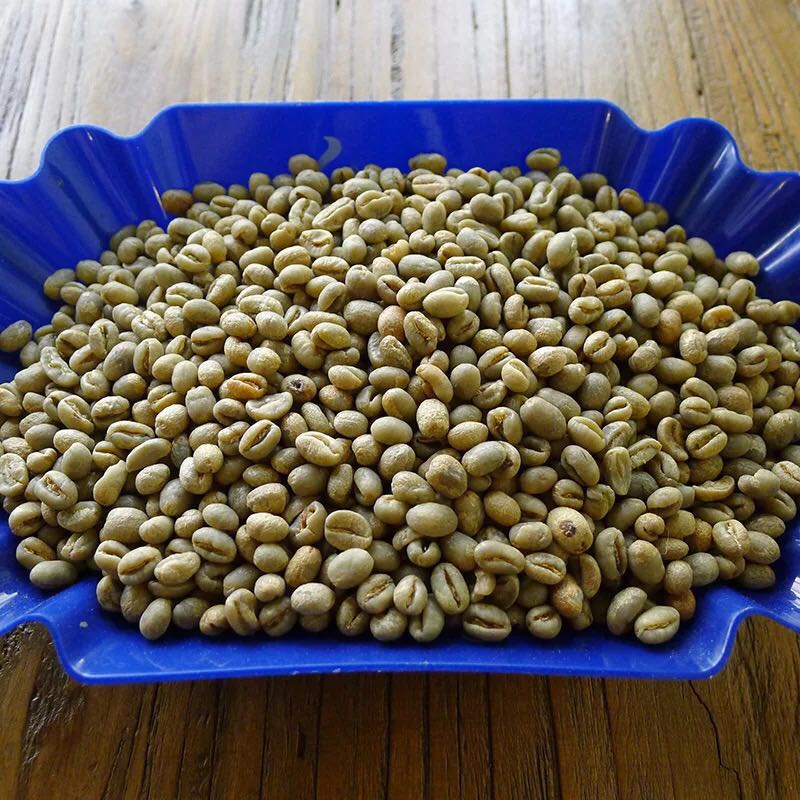
Kenyan coffee taste Kenyan coffee bean price Kenyan coffee taste coffee bean origin
The Kenyan government takes the coffee industry very seriously, where it is illegal to cut down or destroy coffee trees. Kenyan coffee buyers are world-class high-quality coffee buyers, and no other country can grow, produce and sell coffee on a continuous basis like Kenya. All the coffee beans were first acquired by the Kenya Coffee Commission (CoffeeBoardofKenya, CBK).

Bidding for raw coffee beans whether there is the best way to buy and sell raw coffee beans with gold content
For more information on coffee beans, please follow the coffee workshop (Wechat official account cafe_style). There is also a pipeline for selling raw coffee beans at open auction, which can attract buyers from all over the world. Bidding gives manufacturers the opportunity to promote their products, build connections through the supply chain, and consolidate the industry and allow buyers to trace products. Coffee makers in Latin America

Introduction of Kenyan coffee beans boutique coffee with Kenyan coffee beans
Every feeling you get in the coffee. It has wonderful and satisfying aromas, well-balanced acidity, well-proportioned particles and excellent fruit flavors. The charming female coffee planter in "out of Africa" entered Kenya in the 19th century, when Ethiopian coffee drinks were brought in through South Yemen.